Introduction Book: A Typeface That Feels Like Your First Day of School
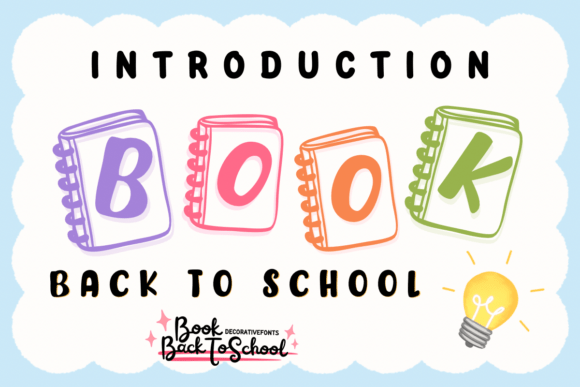
There's a particular warmth to a hand-drawn letter, a sense of personality that a perfectly geometric sans serif just can't replicate. It’s the feeling of a teacher’s encouraging note on your homework, the title of a favorite childhood book, or the playful signage in a kindergarten classroom. This is the exact spirit captured by the Introduction Book typeface. More than just a collection of glyphs, it’s a design asset engineered to evoke nostalgia, approachability, and the pure joy of learning. For designers and creators, it offers a direct line to crafting visuals that feel personal, authentic, and instantly engaging.
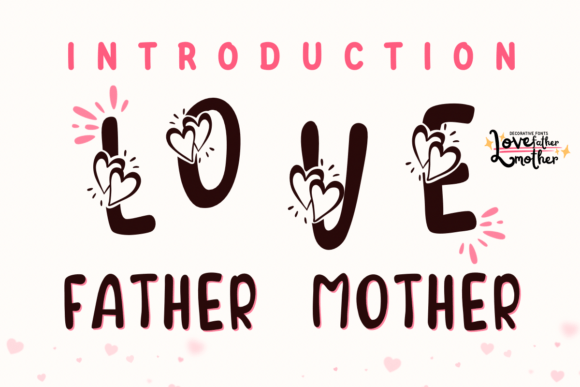
Visually, Introduction Book is a masterclass in friendly design. It’s a handwritten font with soft, rounded terminals and a gentle, organic rhythm that avoids the sometimes chaotic look of other script styles. The letterforms feel carefully considered yet spontaneous, striking a balance between legibility and character. This isn’t a script font meant for formal invitations; it’s a creative font built for clarity and charm. The slightly uneven baselines and subtle variations in stroke width give it a human touch, making digital text feel handcrafted. Its personality is optimistic, supportive, and endlessly welcoming—qualities that make it a powerful tool in modern typography.
Where Introduction Book Truly Shines
Understanding a typeface’s ideal context is key to using it effectively. Introduction Book excels in projects where warmth and approachability are paramount. Its strengths are most evident in educational and youth-oriented spaces, but its applications extend far beyond the classroom door.
- Educational & Classroom Materials: This is its natural habitat. Use it for bulletin board headers, worksheet titles, reading level labels, and teacher resource covers. It instantly makes learning materials feel more inviting and less intimidating for young students.
- Children’s Publishing & Branding: From picture book titles and chapter headings to the logo design for a tutoring service or a kids’ craft kit, Introduction Book establishes a brand identity that parents and children trust. It communicates safety, creativity, and fun.
- Digital & Social Media Content: In the fast-scrolling world of social media, a display font with personality stops thumbs. Use it for Instagram quote graphics, YouTube thumbnails for family vlogs, or Pinterest pins promoting educational blogs. It adds a layer of handcrafted warmth that boosts engagement.
- Event & Community Marketing: Think school fairs, library summer reading programs, community center workshops, or “Back to School” campaign flyers. The font’s friendly demeanor builds immediate connection and communicates a welcoming atmosphere.
- Personal Projects & Craft: For crafters and hobbyists, it’s perfect for creating personalized birthday party decor, scrapbook titles, custom stickers, or printable wall art for a child’s room.
The Strategic Impact of a Friendly Typeface
Choosing a font like Introduction Book is a strategic decision that influences how your message is received. Typography is a silent ambassador for your brand, and this particular premium font speaks volumes about your values.
Brand Perception & Consistency: Consistently using a typeface with a clear personality helps build a recognizable brand identity. When your audience sees Introduction Book across your web design, packaging design, and social media graphics, they begin to associate your brand with the font’s core traits: warmth, creativity, and education-focused integrity. This consistency fosters trust and professionalism, even in a playful style.
Readability & Visual Hierarchy: Despite its decorative nature, Introduction Book is designed for use. Its clear letterforms ensure it remains legible at various sizes, making it a viable choice for short paragraphs, callouts, and of course, headlines. It works beautifully in a font pairing with a clean, neutral sans serif font for body text. This creates a dynamic visual hierarchy where the friendly display font grabs attention and the simpler font ensures comfortable reading for longer passages.
Audience Engagement: Emotional connection drives action. The nostalgic, approachable feel of this typeface can lower barriers, making your content feel more accessible and your call-to-action more inviting. It doesn’t just convey information; it sets a mood. A workshop flyer set in Introduction Book feels more like a fun community event than a sterile corporate notice.
Practical Guidance for Implementation
Ready to incorporate Introduction Book into your next project? Here’s how to do it thoughtfully.
- Evaluate Project Fit: Before you even download, ask: Does my project need to convey friendliness, education, or handcrafted charm? If you’re designing a law firm’s annual report, this isn’t the font. If you’re creating a logo for a children’s music class, it’s a perfect candidate.
- Test Font Pairings: Never use a display font in isolation for all text. Pair Introduction Book with a complementary serif font for a classic, storybook feel, or with a geometric sans serif font for a more modern, clean contrast. Test the pairing at the sizes you’ll actually use to ensure harmony.
- Review Included Styles: Check if the font family includes weights like Bold or Light. Having a Bold version is invaluable for creating emphasis in headlines without resorting to stretching or artificial bolding, which can distort the hand-drawn character.
- Consider Licensing: For any commercial use—whether for a client, a product you sell, or monetized content—ensure you have the correct commercial font license. Most premium fonts offer clear licensing tiers for desktop, web, and app use. Respecting the license is part of being a professional and supports the designers who create these valuable design assets.
- Context is Everything: Use it for headlines, titles, and short bursts of key text. For body copy or lengthy descriptions, switch to a highly legible text font. Let Introduction Book do what it does best: act as a charismatic ambassador for your core message.
In a digital landscape saturated with cold, impersonal interfaces, a typeface like Introduction Book is a breath of fresh air. It’s a tool that does more than set words on a page—it crafts an experience. By leveraging its inherent warmth and scholarly charm, you can create designs that don’t just capture attention but also capture the heart, making your projects memorable and deeply resonant with your intended audience.