Valentine Rose: A Dingbat Font for Creative Flair
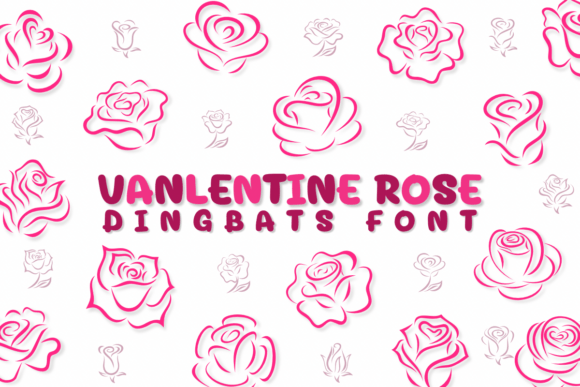
Sometimes, a project needs more than just words. It needs a signature, a flourish, a visual element that says something without a single letter. This is where a specialized dingbat font like Valentine Rose finds its purpose. It’s not a traditional typeface for body copy; it’s a curated collection of decorative rose symbols. Think of it as a digital stamp set, ready to add instant elegance and thematic cohesion to your work. Each character you type from this font produces a unique rose illustration, offering a quick way to incorporate sophisticated botanical art.
Understanding the Valentine Rose Typeface
Valentine Rose is a premium font in the dingbat category. Its visual personality is romantic, detailed, and classic. The roses are rendered with clean lines and subtle shading, giving them a modern yet timeless feel. They avoid being overly ornate or childish, striking a balance that appeals to adult sensibilities. This makes it a versatile creative font for projects that require a touch of romance, nature, or refined decoration. Unlike a script font or handwritten font, its strength lies in its pictographic nature, providing instant visual motifs.
The overall appeal is in its directness. You’re not choosing a serif font for its readability or a sans serif font for its minimalism. You’re selecting a tool for visual storytelling. The roses from Valentine Rose act as design assets that can be scaled, colored, and arranged to build patterns, borders, or focal points. This positions it as an essential part of a designer’s toolkit for specific brand identity projects or personal crafts where floral themes are central.
Where Valentine Rose Truly Blooms: Applications and Projects
The utility of a dingbat font like this is broad. In logo design, a single rose glyph can become an iconic mark for a florist, a wedding planner, a boutique bakery, or a romantic brand. It simplifies the process of creating a custom emblem without starting from a blank canvas. For packaging design, these roses can adorn labels, boxes, and wrapping paper, creating a cohesive and attractive product presentation that communicates quality and care.
In the realm of editorial design and publishing, Valentine Rose shines. Use it to create ornate drop caps, section dividers, or decorative borders in a magazine, book, or blog layout. It adds a layer of sophistication that standard typographic characters can’t provide. For web design and social media graphics, the rose symbols can be used as background patterns, icon replacements, or stylish bullet points, enhancing visual engagement without sacrificing load times or readability.
For physical creations, its value is undeniable. Wedding invitations, greeting cards, and stationery come alive with these botanical elements. Crafters and hobbyists can use it for DIY projects like decals, stencils, fabric prints, and party decorations. Small business owners can leverage it for consistent branding across their marketing materials—from business cards and flyers to email headers and thank-you notes—ensuring every touchpoint reflects their brand identity.
Integrating Valentine Rose into Your Design Workflow
Choosing to use a specialized dingbat font requires a different approach than selecting a primary typeface. First, evaluate if your project has a clear thematic need for decorative roses. It’s perfect for romance, vintage, garden, or luxury themes but might feel out of place in a tech startup’s minimalist branding. Consider it a supporting actor, not the lead, in your typographic cast.
A critical step is font pairing. Valentine Rose works best when paired with clean, neutral typefaces. A classic serif font for headings and a readable sans serif font for body text create a perfect foundation. This contrast ensures the decorative elements stand out without creating visual chaos. Test the pairing in context: place a rose glyph next to your chosen headline font to see if the weights and styles complement each other.
Always review the full character map. A good dingbat font will include a variety of glyphs—full blooms, buds, leaves, and possibly wreaths. Knowing what’s available allows you to be more creative. Test for readability in a different sense: ensure the symbols are clear at the intended size, especially for small prints or screen displays. Finally, check the commercial font licensing. If you’re using it for client work, merchandise, or a commercial website, you must have the appropriate license. Reputable foundries provide clear licensing terms, which is a hallmark of a professional typeface.
By treating Valentine Rose as a strategic design asset, you can unlock its potential to elevate projects from ordinary to memorable. It’s a practical solution for adding high-impact visual elements with efficiency and style.